
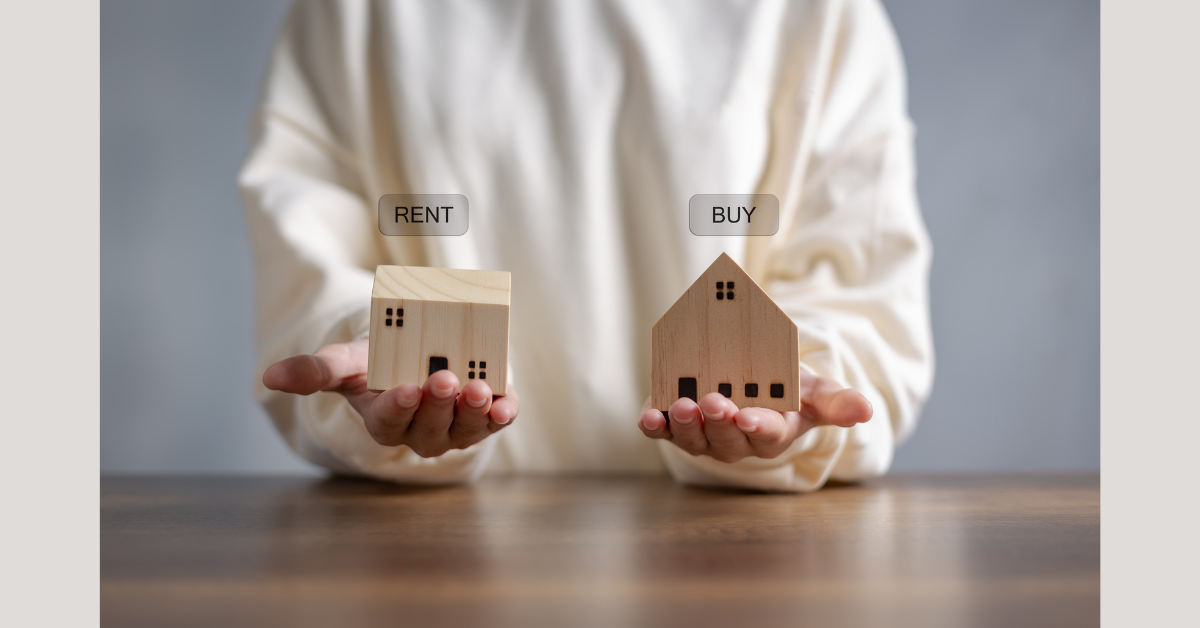
When discussing residential housing, the terms lease and rent are often used interchangeably. However, for property managers, multifamily operators, asset managers, and renters, understanding the distinction between lease vs rent is more important than many realize.
The difference affects pricing strategies, occupancy planning, revenue forecasting, resident retention, and overall property performance. In today’s data-driven multifamily environment, lease structures and rental agreements influence far more than legal paperwork—they directly impact operational efficiency and revenue management outcomes.
For multifamily operators seeking to maximize profitability, understanding lease and rental dynamics has become increasingly important as AI-powered revenue management platforms transform how pricing decisions are made.
This guide explores the differences between leasing and renting, explains how each arrangement affects residents and property owners, and examines why lease management plays a critical role in modern multifamily revenue optimization.
Lease vs Rent: The Quick Answer
At a basic level:
-
- A lease is a fixed-term agreement between a landlord and tenant, often lasting 6, 12, or 24 months.
-
- A rental agreement is generally a shorter-term arrangement, often operating month-to-month.
Both agreements allow a resident to occupy a property in exchange for payment, but the terms, flexibility, and financial implications differ significantly.
For multifamily operators, these differences can affect occupancy forecasting, renewal strategies, pricing decisions, and long-term revenue performance.
What Is a Lease?
A lease is a legally binding contract that establishes specific terms for occupancy over a fixed period.
Typical lease agreements include:
-
- Monthly rent amount
-
- Lease start date
-
- Lease expiration date
-
- Security deposit requirements
-
- Maintenance responsibilities
-
- Occupancy rules
-
- Renewal terms
Most apartment communities rely heavily on fixed-term leases because they provide predictable revenue streams and help stabilize occupancy.
A standard 12-month lease gives both the resident and the property operator a clear understanding of expectations throughout the agreement period.
What Is Rent?
Rent refers to the payment made for occupying a property. However, when people compare lease vs rent, “rent” often refers to a month-to-month rental agreement.
Under a rental agreement:
-
- Terms renew automatically each month
-
- Either party can typically terminate with proper notice
-
- Rental rates may be adjusted more frequently
-
- Residents have greater flexibility
Month-to-month arrangements are common in temporary housing situations or markets with highly mobile populations.
While flexibility can benefit residents, it often introduces more uncertainty for property operators.
Lease vs Rent: Key Differences
Contract Length
The most obvious difference involves duration.
Lease
-
- Fixed term
-
- Usually 6–24 months
-
- Stable occupancy period
Rent
-
- Month-to-month
-
- Flexible duration
-
- Frequent renewal opportunities
Fixed lease periods help operators forecast occupancy more accurately.
Pricing Stability
Lease agreements typically lock in rental rates for the duration of the contract.
Rental agreements often allow rate adjustments with proper notice.
For residents, leases provide pricing certainty.
For operators, rental agreements offer more flexibility to respond to market conditions.
Lease vs Rent: Revenue Predictability
From a revenue management perspective, leases generally provide greater predictability.
Operators can forecast:
-
- Occupancy levels
-
- Revenue streams
-
- Renewal activity
-
- Future vacancy exposure
Month-to-month rentals create greater uncertainty because residents can leave with relatively short notice.
Resident Flexibility
Rental agreements generally provide more flexibility for residents.
Leases offer stability but require longer commitments.
This tradeoff affects both resident satisfaction and operational planning.
Why Multifamily Operators Prefer Leases
Most professionally managed apartment communities prioritize lease agreements because they support more effective revenue management.
Benefits include:
-
- Predictable income
-
- Lower turnover
-
- Improved forecasting
-
- Stable occupancy
-
- Better budgeting
Longer lease terms help operators maintain consistency while reducing vacancy risk.
From an operational standpoint, lease management forms the foundation of many revenue optimization strategies.
How Lease Structures Affect Revenue Management
Modern multifamily operations increasingly rely on AI-driven revenue management platforms.
These systems analyze:
-
- Occupancy trends
-
- Lease expirations
-
- Renewal probabilities
-
- Market demand
-
- Competitive pricing
Lease data is essential because future revenue depends heavily on lease expiration schedules and renewal performance.
Properties with poorly distributed lease expirations may experience large occupancy swings that negatively impact revenue.
Strategic lease management helps operators avoid these challenges.
Lease Expirations and Revenue Forecasting
One of the most important aspects of multifamily revenue management involves understanding future lease expirations.
A property with too many leases expiring simultaneously may face:
-
- Increased vacancy risk
-
- Leasing pressure
-
- Concession requirements
-
- Revenue volatility
Revenue management systems evaluate lease schedules to identify risks and recommend pricing strategies that support occupancy stability.
This is one reason lease optimization has become such a critical component of multifamily operations.
Lease vs Rent: How AI Uses Lease Data
Artificial intelligence has transformed how operators evaluate lease performance.
AI-driven platforms analyze:
-
- Lease expiration patterns
-
- Resident retention trends
-
- Renewal likelihood
-
- Historical occupancy performance
-
- Seasonal leasing behavior
These insights help operators make more informed pricing decisions.
Instead of reacting to occupancy challenges after they occur, AI allows teams to proactively manage revenue opportunities.
The Relationship Between Leases and Rent Optimization
Lease agreements and rent optimization are closely connected.
When evaluating pricing decisions, operators must consider:
-
- Current occupancy
-
- Future vacancies
-
- Market conditions
-
- Renewal activity
-
- Lease expiration schedules
AI-powered revenue management systems evaluate these factors simultaneously to recommend pricing strategies that maximize revenue while supporting occupancy goals.
Without accurate lease data, optimization becomes significantly less effective.
Benefits of Leasing for Residents
While operators often focus on revenue performance, residents also benefit from fixed-term leases.
Advantages include:
Stable Housing Costs
Rental rates typically remain unchanged throughout the lease term.
Predictable Housing Arrangements
Residents know exactly how long they can remain in the property under agreed terms.
Reduced Relocation Stress
Longer commitments often reduce the need for frequent moves.
Clear Expectations
Lease agreements define responsibilities for both parties.
These benefits contribute to resident satisfaction and retention.
Lease vs Rent: Benefits of Renting Month-to-Month
Some residents prefer rental agreements because they provide flexibility.
Advantages include:
Easier Relocation
Residents can move with shorter notice periods.
Temporary Housing Solutions
Month-to-month arrangements work well for short-term living situations.
Greater Flexibility
Changing personal or professional circumstances may make shorter commitments attractive.
For operators, however, flexibility often comes at the cost of predictability.
Lease Renewals vs New Leases
Renewal management is one of the most important drivers of multifamily revenue.
Renewing existing residents often costs significantly less than acquiring new residents.
Benefits of strong renewal performance include:
-
- Lower vacancy rates
-
- Reduced marketing expenses
-
- Improved occupancy stability
-
- Greater revenue consistency
Modern revenue management systems frequently incorporate renewal optimization into their pricing strategies.
AI helps operators determine renewal offers that balance retention goals with revenue objectives.
How Lease Length Influences Pricing
Lease length often affects rental pricing.
For example:
-
- Longer leases may receive more favorable pricing
-
- Shorter leases may carry premiums
-
- Seasonal demand may influence lease terms
Revenue management platforms evaluate these variables when generating pricing recommendations.
The goal is not simply maximizing rent but maximizing overall property performance.
Lease vs Rent for Property Owners
From an ownership perspective, leases typically provide stronger operational advantages.
Benefits include:
-
- Predictable cash flow
-
- Better forecasting
-
- Reduced turnover
-
- Improved budgeting
-
- Stronger asset performance
Month-to-month rentals may offer pricing flexibility but often introduce greater uncertainty.
The optimal approach depends on market conditions, property goals, and portfolio strategy.
Common Lease vs Rent Misconceptions
Myth 1: Leasing Always Costs More
Lease pricing varies by market and demand conditions. In some situations, longer commitments may actually result in lower monthly costs.
Myth 2: Renting Means No Contract
Month-to-month rentals still involve legal agreements and contractual obligations.
Myth 3: Leases Cannot Be Modified
Lease amendments and negotiated renewals are common throughout the multifamily industry.
Myth 4: Revenue Management Only Impacts Rent
Modern revenue management considers occupancy, lease expirations, renewals, and market conditions—not just pricing.
Why Lease Data Matters More Than Ever
The multifamily industry is becoming increasingly data-driven.
Today’s operators rely on analytics to evaluate:
-
- Revenue opportunities
-
- Occupancy trends
-
- Market performance
-
- Resident behavior
-
- Renewal likelihood
Lease data serves as the foundation for many of these insights.
As AI adoption continues to grow, operators who effectively leverage lease information will be better positioned to outperform competitors.
The Future of Lease Management
Lease management is evolving rapidly through advances in:
-
- Artificial intelligence
-
- Predictive analytics
-
- Revenue management software
-
- Resident intelligence platforms
-
- Automated forecasting
These technologies help operators optimize pricing, improve occupancy, and enhance portfolio performance.
Rather than relying solely on historical reports, teams can now use predictive insights to make proactive decisions.
The result is smarter revenue management and stronger financial outcomes.
Lease vs Rent - Frequently Asked Questions
What is the main difference between lease and rent?
A lease is a fixed-term agreement, while a rental agreement typically operates month-to-month and offers greater flexibility.
Is leasing better than renting? Lease vs rent, which is better?
Neither is inherently better. Leasing provides stability and predictable pricing, while renting offers flexibility and shorter commitments.
Can rent increase during a lease?
In most cases, rental rates remain fixed during the lease term unless specific provisions allow adjustments.
What happens when a lease expires?
Residents may renew, move out, or transition to a month-to-month arrangement depending on property policies and market conditions.
Are lease agreements legally binding?
Yes. Lease agreements are legally enforceable contracts that establish responsibilities for both residents and property owners.
Why do apartment communities prefer leases?
Leases provide predictable revenue, improved occupancy forecasting, and reduced turnover risk.
How does lease length affect rent?
Longer lease terms may offer pricing incentives, while shorter terms often carry higher rates due to increased operational risk..
What is lease renewal optimization?
Lease renewal optimization uses data and analytics to determine renewal pricing that balances resident retention with revenue goals.
Is lease the same as rent?
No. A lease is a type of rental agreement with a fixed term, while renting often refers to month-to-month occupancy arrangements.
Why do landlords prefer leases?
Leases provide predictable income, reduce turnover, and improve long-term revenue forecasting.
Can a renter leave before a lease ends?
Possibly, but early termination may involve fees or penalties depending on the lease terms.
What is better for apartment revenue management: leases or month-to-month rentals?
Most multifamily operators prefer leases because they support occupancy stability and more accurate revenue forecasting.
How does AI improve lease management?
AI analyzes lease expirations, renewals, occupancy trends, and market conditions to support smarter pricing and revenue decisions.
Transform Lease Data into Revenue Opportunities
Understanding the difference between lease vs rent is only the beginning. The real opportunity lies in using lease data to drive smarter pricing, improve renewal performance, and maximize portfolio revenue. With AI-powered solutions and advanced predictive analytics, multifamily operators can move beyond reactive decision-making and unlock new levels of operational efficiency and financial performance.
Explore LeaseMax for intelligent revenue management and discover the Beekin’s complete suite of multifamily solutions designed to help your team optimize leasing strategies, improve occupancy outcomes, and make data-driven decisions with confidence.
Beekin ®
Applied AI for Rental Housing – Asset Optimization for Efficient Operations, and 50bps higher asset yield